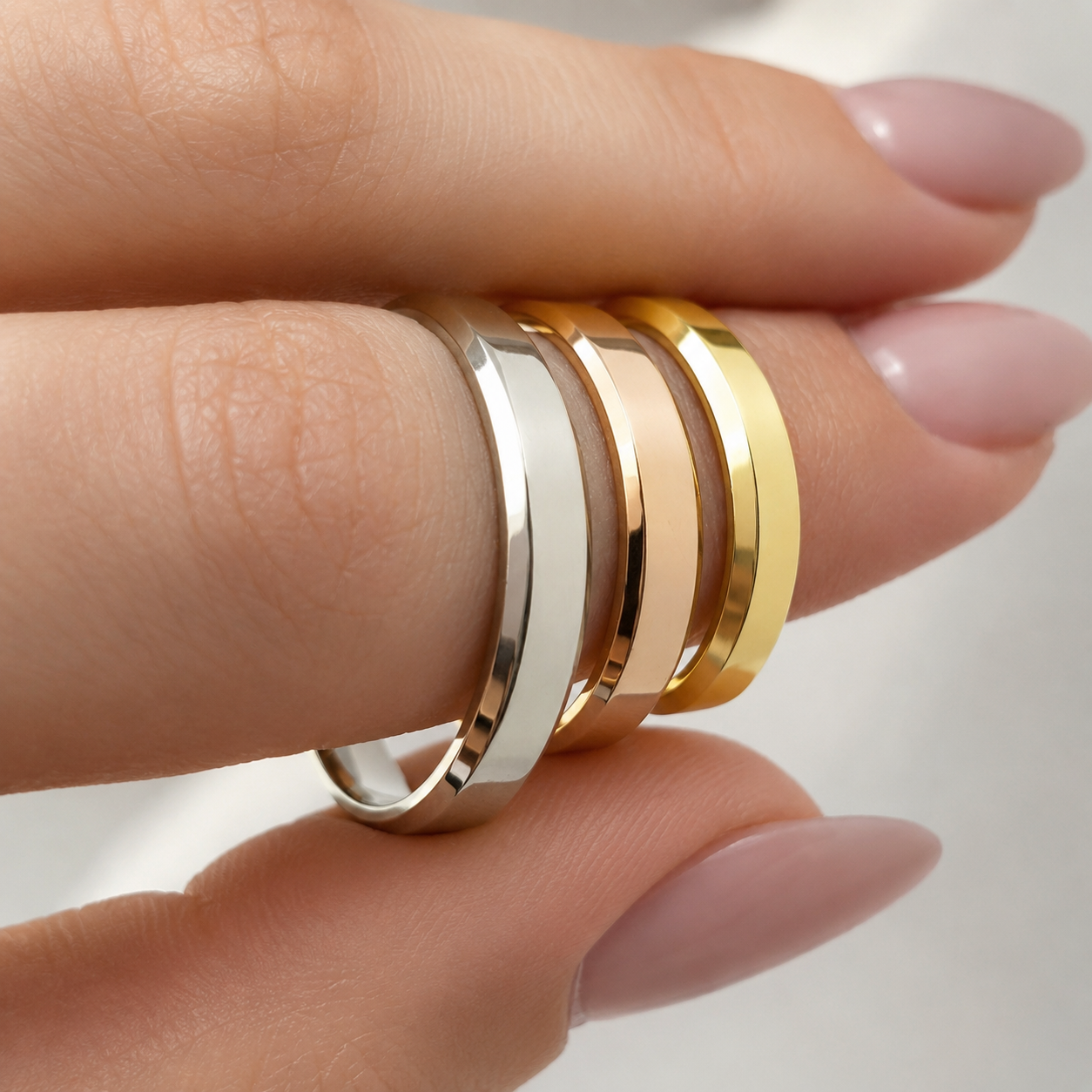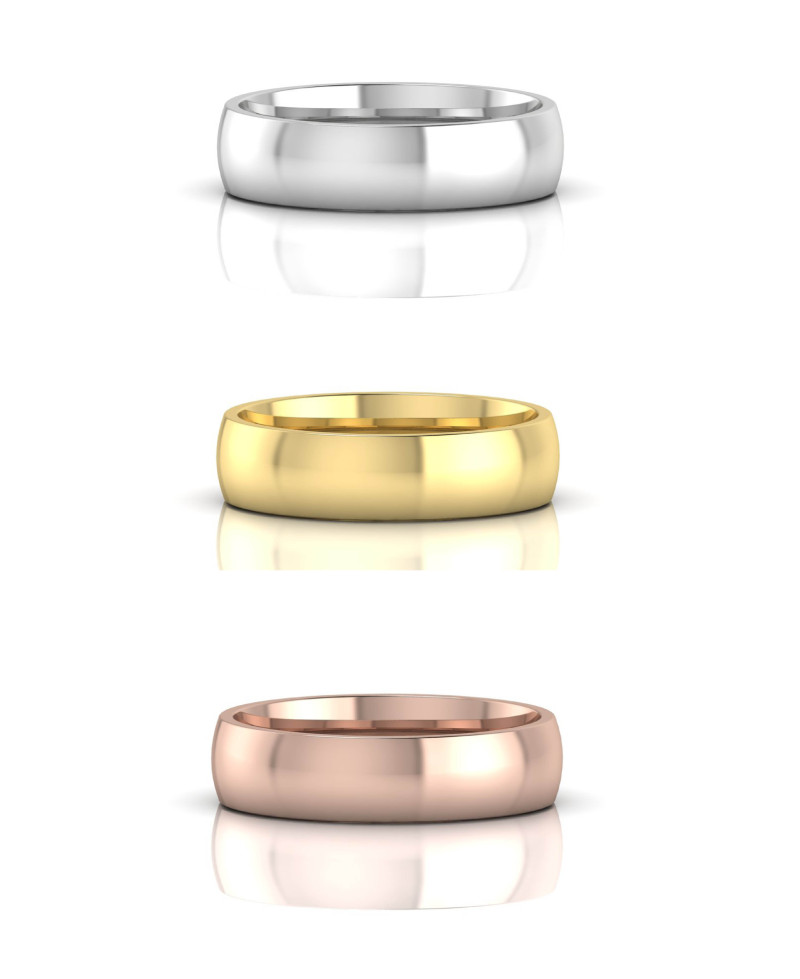
When choosing wedding rings or other jewellery, most people first notice the colour—yellow, white, or rose gold. However, few realise that gold naturally exists in only one colour. Every other shade is created by adding other metals to pure gold. This is why jewellers talk not only about the colour of gold but also about its composition, alloys, and purity.
Why Isn't Jewellery Made from Pure Gold?
Pure gold is an extremely soft metal. Although it is valuable, durable, and resistant to oxidation, it is not practical for everyday wear.
A ring made from pure gold would:
- scratch more easily;
- deform more easily;
- lose its shape over time;
- be less resistant to daily wear and tear.
According to jeweller Airidas Ulevičius, many people assume that the "purer" the gold, the better it is. In reality, jewellery is all about finding the right balance between value and practicality. For this reason, jewellers use gold alloys. Pure gold is combined with other metals to increase its strength, alter its colour, and help the jewellery maintain its shape for many years.
What Is Gold Purity?
Gold purity indicates how much pure gold is contained in an alloy.
For example:
- 585 gold contains 58.5% pure gold.
- 750 gold contains 75% pure gold.
- 999 gold is considered virtually pure gold.
The remaining percentage consists of other metals, known as alloying metals. Airidas notes that 585 gold remains one of the most popular choices for wedding rings and everyday jewellery because it offers an excellent balance between durability and aesthetics.
How Are Different Gold Colours Created?
Natural gold has a rich yellow colour. White and rose gold do not occur naturally—they are created by mixing gold with other metals. The final colour depends entirely on the composition of the alloy.
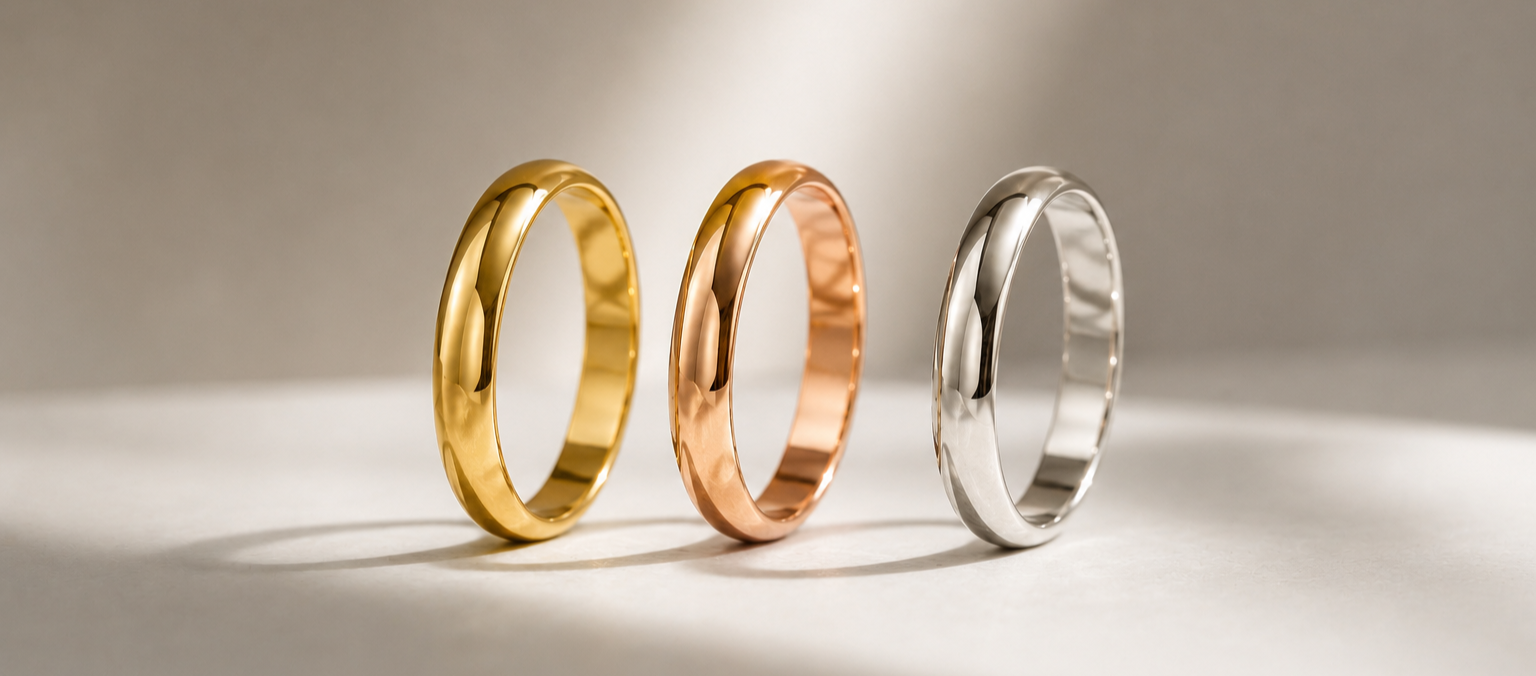
Yellow Gold – The Timeless Classic
Yellow gold is the closest to gold's natural colour. Its alloy typically contains:
- silver;
- copper.
This combination preserves gold's warm, rich appearance.
According to Airidas, yellow gold has made a strong comeback in recent years, especially in wedding ring trends. People are increasingly drawn to its timeless beauty, warmth, and natural appearance.
Yellow gold looks particularly beautiful:
- on warmer skin tones;
- in classic jewellery designs;
- when paired with coloured gemstones such as rubies or emeralds.
White Gold – A Modern, Elegant Choice
White gold is created by adding metals such as:
- palladium;
- silver;
- sometimes nickel.
These metals reduce gold's natural yellow hue, giving it a lighter, cooler appearance. Most white gold jewellery is also coated with rhodium—a bright, highly reflective precious metal that enhances its whiteness while providing additional protection against wear. According to Airidas, many people believe that white gold is naturally as white as silver or platinum. In reality, it usually retains a slightly warm tone. Rhodium plating enhances its brightness, creating the crisp white finish that most people associate with white gold. White gold is often chosen for its clean, contemporary aesthetic, particularly in minimalist wedding rings and modern jewellery designs.
Rose Gold – Warm and Distinctive
Rose gold gets its colour from a higher copper content in the alloy. The more copper the alloy contains, the richer and warmer its pink hue becomes. Compared to yellow or white gold, rose gold often has a softer, more delicate appearance, making it a popular choice for those seeking something distinctive yet elegant.
Airidas explains that the appearance of rose gold can vary depending on the lighting and the wearer's skin tone. For some, it looks warm and romantic, while others see it as a modern alternative to traditional yellow gold.
In recent years, rose gold has become especially popular for women's wedding rings and minimalist jewellery.
Does Gold Strength Depend on Its Colour?
Yes—but colour itself is not the determining factor. The real difference lies in the composition of the alloy.
For example:
- a higher copper content can increase hardness;
- softer alloys are more prone to scratches;
- higher-purity gold is generally softer.
When choosing wedding rings, it is therefore important to consider not only the colour but also your lifestyle, daily activities, and the design of the ring.
Why Can the Same Gold Look Different?
The appearance of gold is influenced by several factors, including:
- surface finishing;
- polishing;
- matte textures;
- lighting conditions;
- even the wearer's skin tone.
Airidas notes that many people arrive with a specific shade of gold in mind but change their opinion after seeing different options in person. This is particularly common when comparing white and rose gold.
Choosing Gold Is About More Than Colour
The colour of gold is much more than an aesthetic preference. Behind every shade lies a carefully designed alloy with its own unique combination of metals, proportions, and properties that influence not only its appearance but also how well the jewellery performs in everyday life. According to Airidas Ulevičius, the most important factor when choosing gold is not which colour happens to be fashionable at the moment, but which one naturally complements the wearer, suits their personal style, and will continue to look beautiful for years to come. After all, a well-crafted wedding ring or piece of jewellery should be more than just attractive in a display case—it should remain comfortable, durable, timeless, and beautiful for a lifetime.