
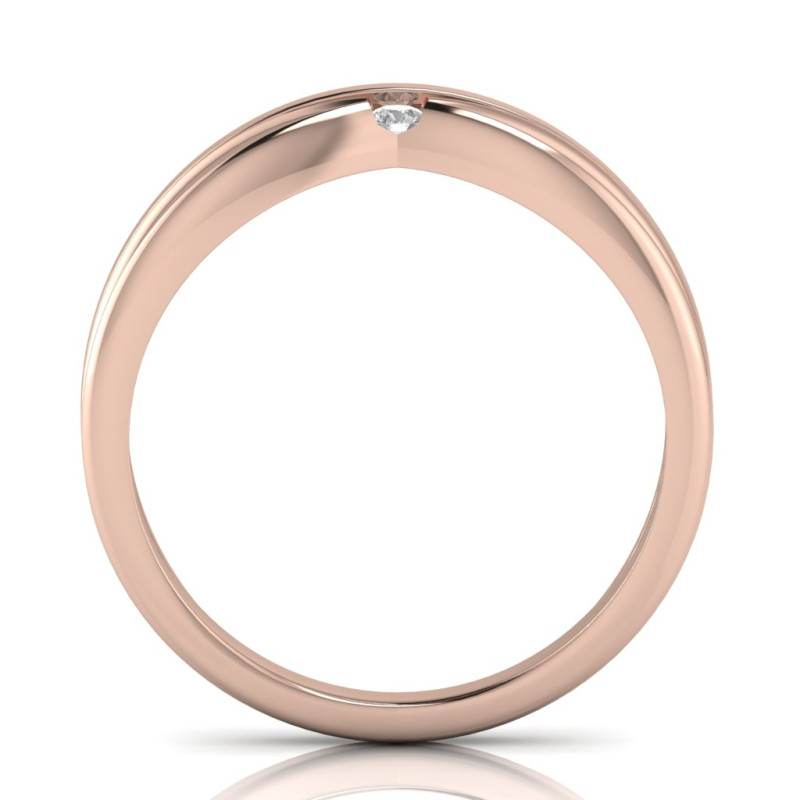
The main shades of gold in jewelry are yellow, white, and red or rose. They differ in shade and in how they look when paired with different jewelry designs and gemstones. There is no single “best” shade of gold - when choosing, the most important thing is to consider your personal style, the jewelry you already own, and the overall look you want to achieve.
In short
- Yellow gold - warm, classic, and closest to the natural color of gold.
- White gold - light, neutral, and visually more modern.
- Red or rose gold - has a warmer reddish hue and is more expressive.
- You can even combine several gold colors in a single piece of jewelry.
- Gold color and gold fineness are not the same thing - gold of the same fineness can come in different colors.
Gold Colors: Key Differences
When choosing jewelry, color is often the first noticeable difference. It can completely change the character of even a ring, earring, or pendant of the same design. The exact color may vary slightly depending on the alloy’s composition, surface finish, and lighting.
| Gold color | What does it look like? | Who Usually Likes It? | What Is It Easy to Pair With? |
| Yellow Gold | Warm, rich, classic | For those who love traditional jewelry | Other yellow gold jewelry, colored gemstones |
| White Gold | Light, neutral, understated | For those who love modern and minimalist styles | Diamonds, white metals, minimalist jewelry |
| Red/Rose Gold | Warm, rosy, expressive | For those seeking a softer or more distinctive shade | With warm-toned jewelry, featuring white or yellow gold accents |
| Multi-tone gold | Contrasting, decorative | For those who want a more original design | Jewelry that combines several shades of gold |
Yellow gold - the classic gold color
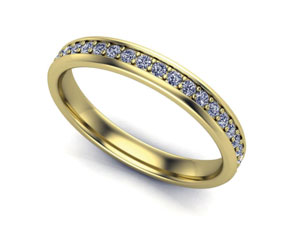
Yellow gold is visually the closest to the natural color of gold. It has a warm hue and is one of the most versatile choices for both everyday jewelry and wedding or engagement rings.
When should you choose yellow gold?
Yellow gold may be the right choice if:
- you already own and usually wear yellow gold jewelry;
- you want a classic, easily recognizable shade of gold;
- you prefer warmer tones in your jewelry;
- you want the metal itself to be a clearly visible part of the jewelry’s design.
It’s also a good choice for people who don’t want the jewelry to look like silver or other white metals.
White gold - a light and neutral choice
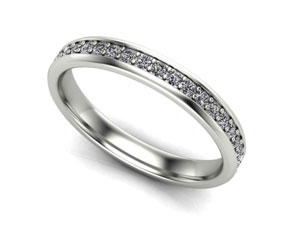
At first glance, white gold may resemble platinum or other white metals. Its neutral hue is particularly popular in contemporary, minimalist jewelry. White gold is also frequently used in diamond jewelry, as the light-colored metal visually blends with the colorless stone’s surroundings, allowing the gemstone itself to take center stage.
Is white gold always completely white?
No. The white gold alloy itself may have a slightly warmer hue. In jewelry, white gold is often coated with rhodium, which gives the surface a brighter, whiter appearance. If you’d like to learn more about why gold takes on different colors and what alloys produce them, read the separate article “Types and Colours of Gold: What Makes Them Different and Why Pure Gold Is Rarely Used in Jewellery”.
Red and Rose Gold - How Do They Differ?

Red and rose gold belong to the same group of warm, reddish gold hues. Their color is largely influenced by the copper used in the alloy - by adjusting the proportions of copper and other metals, one can achieve a softer rose tone or a richer reddish-red hue.
In everyday jewelry, the terms “red gold” and “rose gold” aren’t always used interchangeably, so when choosing a piece of jewelry, it’s best to consider not just the name of the color, but also the actual shade of the piece.
When should you choose red or rose gold?
You might like this color if:
- you want a warmer shade than yellow or white gold;
- you’re looking for a less traditional piece of jewelry;
- you like to mix several shades of gold;
- you want the metal itself to be a more striking design element.
Jewelry with Multiple Shades of Gold
You don’t have to limit yourself to just one color. Yellow, white, and red gold can all be used in the same piece of jewelry. This approach is particularly common in wedding rings, where two shades of gold can be used to highlight different parts of the ring, lines, or other design elements. Combining multiple colors also has a practical and aesthetic advantage - such jewelry is easier to coordinate with other pieces you already own in different colors.
Which shade of gold should you choose?
There’s no single rule, but asking yourself a few questions can make the decision easier.
1. What colors of jewelry do you already wear?
If most of your existing jewelry is yellow gold, a new ring or chain in the same color will be easier to coordinate.
If you usually opt for the look of silver, platinum, or other white metals, white gold may look more natural.
However, it’s not necessary to match metal colors - jewelry in different shades can also be a deliberate part of your style.
2. Will the piece of jewelry feature a gemstone?
The color of the metal affects the overall contrast of the piece. White gold can create a more unified look with a colorless diamond, while yellow or red gold creates a more striking contrast between the stone and the metal.
When choosing colored gemstones, it’s worth evaluating the entire combination in person - the same ruby, emerald, or sapphire can look quite different when set in gold of different colors.
3. Will the piece be worn every day?
For jewelry worn daily - especially a wedding ring - the color should be one you’ll still love years from now. It’s best to choose a shade that will naturally complement your watch, other rings, earrings, or necklaces for years to come.
4. How does the color look in person?
In photos, the color of gold can be altered by:
- screen settings;
- photography lighting;
- reflections;
- a shiny or matte finish.
Therefore, if you’re choosing an important or custom-made piece of jewelry, it’s helpful to evaluate the final color in person.
Does the color of gold depend on its fineness?
No - the color of gold and its fineness describe different things. Color describes the shade of the jewelry, while fineness indicates the amount of pure gold in the alloy. Therefore, for example, yellow, white, or red gold can all have the same fineness.
If you want to know what the markings 375, 585, or 750 mean and which fineness to choose, read the separate guide “The fineness of gold and the composition of gold”
Can the same ring model be chosen in a different gold color?
Often, the color of a custom-made ring can be tailored to the customer’s preference, so you don’t have to limit yourself to the color shown in the product photo. This is especially relevant when choosing wedding rings - it’s best to evaluate a design you like based on its shape and details first, and then select the gold color separately.
If you’re torn between several options, you can compare different gold shades during a consultation with a jeweler and choose the one that best complements the design of the ring you want.
Frequently Asked Questions About Gold Colors
What are the main gold colors?
In jewelry, the most common colors are yellow, white, and red or rose gold. A single piece of jewelry can combine several gold colors.
Which gold color is natural?
Natural pure gold is yellow. The other shades used in jewelry are obtained by creating gold alloys with other metals.
Is white gold real gold?
Yes. White gold is a gold alloy. Its color varies depending on the other metals used in the alloy, and the karat weight - just like with other colors of gold - indicates the amount of pure gold.
Does the color of gold affect its karat weight?
No. Color and karat weight are not the same thing. Jewelry of the same karat weight can be made of yellow, white, or red gold.
Which color of gold is best?
Objectively speaking, there is no “best” color of gold. For everyday jewelry, it’s best to choose a color that complements your style, your other jewelry, and the specific design of the piece.
Choose the gold color that’s right for you
The color of the gold can completely change the character of a piece of jewelry - the same model made of yellow, white, or red gold can look entirely different. Browse wedding rings, engagement rings, or other gold jewelry, and if you’re choosing a custom-made ring, consult with a jeweler about the most suitable gold color or a combination of colors.

