Contact us
+370 (675) 00 737
info@auksinesvajone.lt


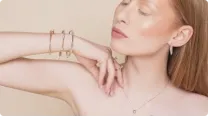
In 2026, wedding ring designs are rapidly moving towards individuality, meaning, and bold shapes, unlike the minimalist styles of previous years. Couples are increasingly looking for rings that are not only beautiful but also meaningful, reflecting their values, lifestyle, and uniqueness. Although classic designs are still popular, with many couples still choosing time-tested elements, they are complemented by modern accents and non-standard shapes – new styles provide more space for self-expression and personal messages.
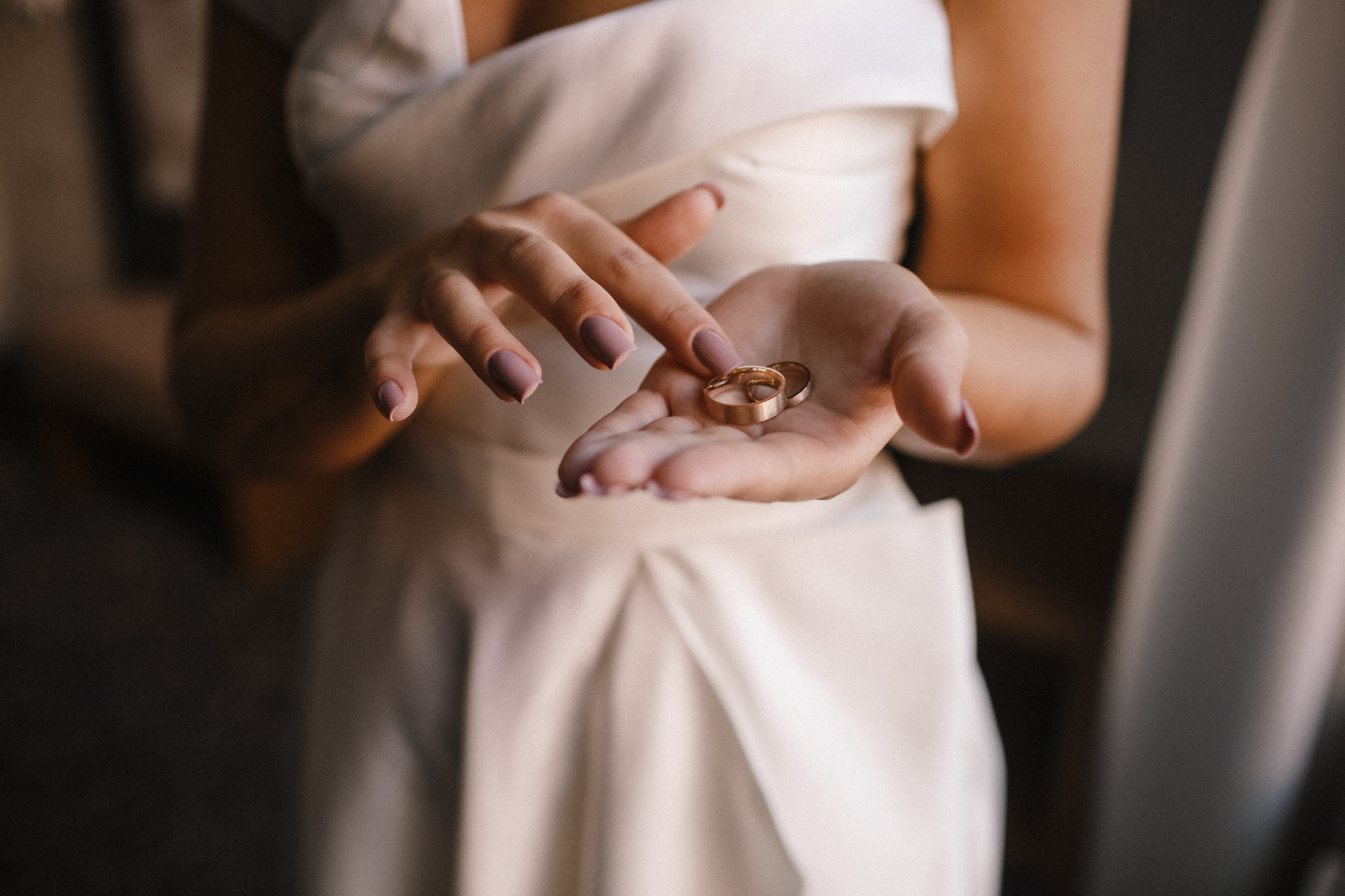
The number of individual orders is increasing, lab-grown diamonds are becoming more popular, and classic rings are getting a modern interpretation. For buyers, this means more choice, a more flexible budget, and the opportunity to create a unique piece of jewelry.
Unconventional stone shapes are becoming increasingly popular, such as oval, marquise, emerald, or unique geometric compositions. East-West stone settings also provide a modern, elongated, and elegant effect.
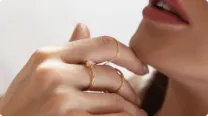
In 2026, there will be a clear shift from minimalist thin bands to larger, sculptural rings. A wide ring with larger diamonds or expressive metal forms will become not only a symbol but also a fashion accessory.
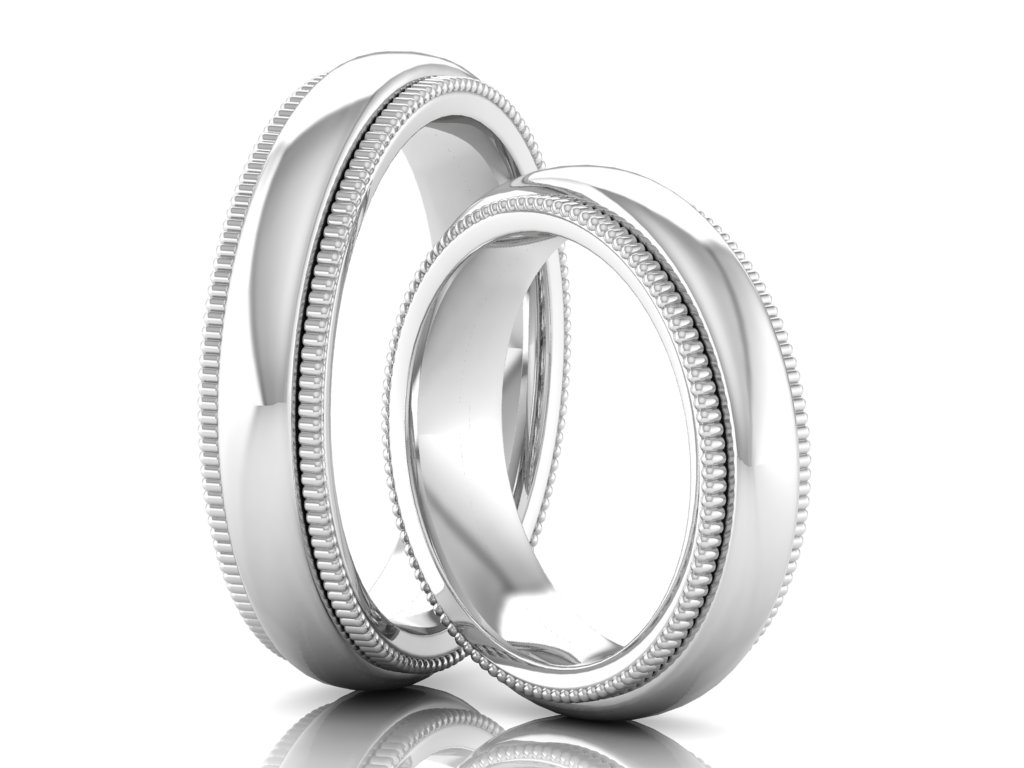
Nostalgic styles with filigree, milgrain details, or Art Deco influences are making a strong comeback. These details give the rings a sense of history and warmth, as if they were a future family heirloom.
Although traditional diamonds remain popular, colored gemstones—sapphires, emeralds, rubies, or other accents—are increasingly being added to rings, giving them a personal touch and energy.
Rings are no longer just shiny pieces of jewelry—they tell a story. People often choose symbolic accents, personal engravings, or even materials with memories that give the ring a unique meaning.
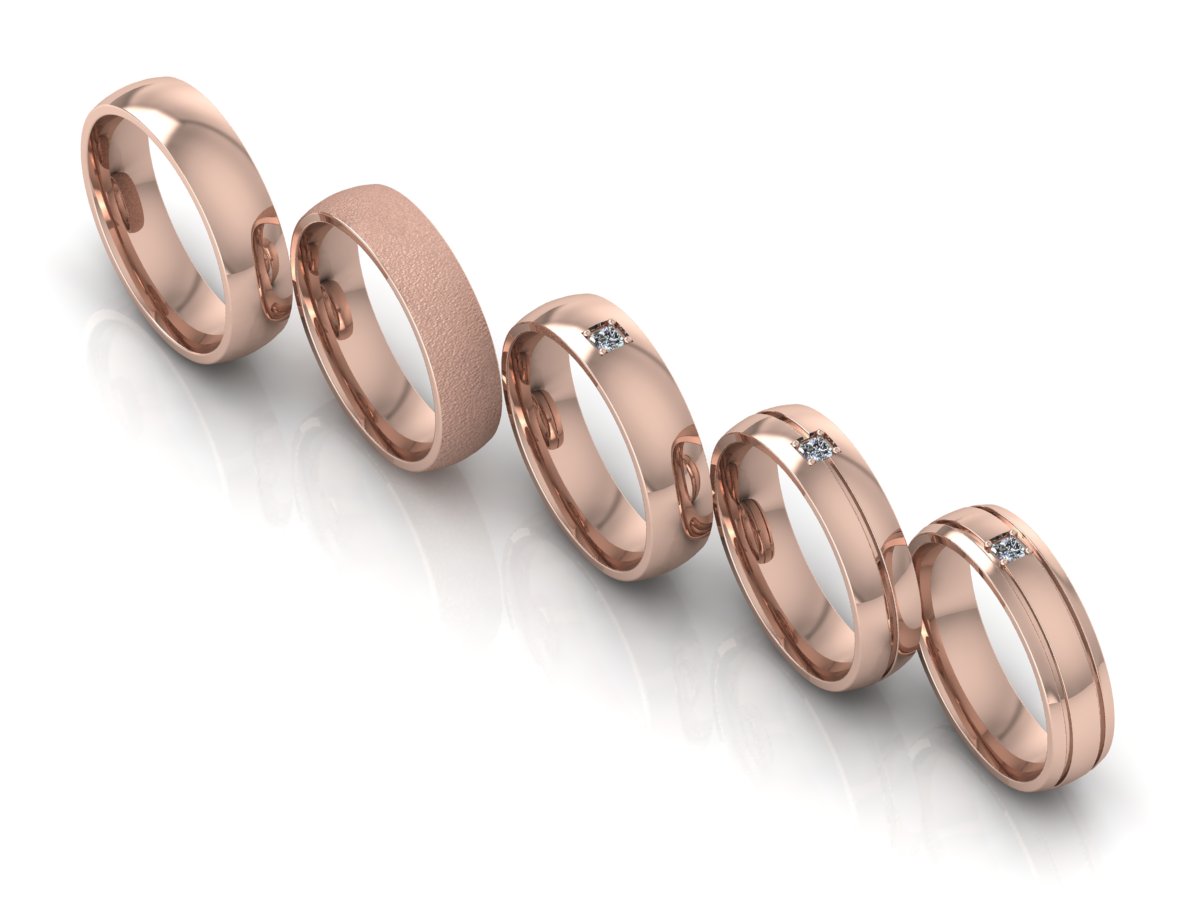
2026 – When choosing rings step by step, it is important to consider not only the design, but also practicality: lifestyle, comfort, and durability. Trends in 2026 encourage planning ahead and not being afraid of non-standard solutions.
· Decide whether you want a classic or custom design (whether you want matching rings or different ones)
· Discuss what shape of ring is most acceptable (classic, rectangular, or custom)
· Choose the metal (gold, platinum, silver, or other alternative metals)
· Choose the color of gold (white, rose gold, yellow), and if you choose white gold, whether you want it coated with rhodium
· Discuss what width of rings you will choose (men's and women's choices often differ)
· Consider the structure of the rings (whether you want them to be smooth, engraved, hammered, polished, coated with a matte or other finish).
· Consider the type and color of the stone: natural or laboratory-grown, diamond, emerald, ruby, or other
· Consider engraving or symbolic elements
· Set a budget and production deadlines
One of the most common mistakes is choosing a ring based solely on fashion, without considering comfort. Couples also sometimes start their search too late. The solution is to combine trends with personal style and plan ahead.
The most successful solutions in 2026 are wide rings with subtle accents, vintage details combined with modern forms, and personalized engravings. Jewelers recommend choosing a design that will still be relevant decades from now.
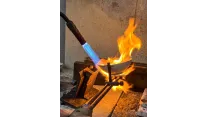
In 2026, the price of wedding rings will depend heavily on the materials and design. Minimalist rings cost less, while custom, handmade designs cost more but offer a unique result. Sustainable and lab-grown solutions often offer better value for money.
Are classic wedding rings fashionable in 2026?
Yes, but they are often complemented with modern or personalized elements.
Is it worth choosing lab-grown diamonds?
Yes – they are sustainable, aesthetic, and often more economical.
When should you start looking for wedding rings?
It is recommended to start at least 3–6 months before the wedding, especially if you are planning an individual order.