Contact us
+370 (675) 00 737
info@auksinesvajone.lt


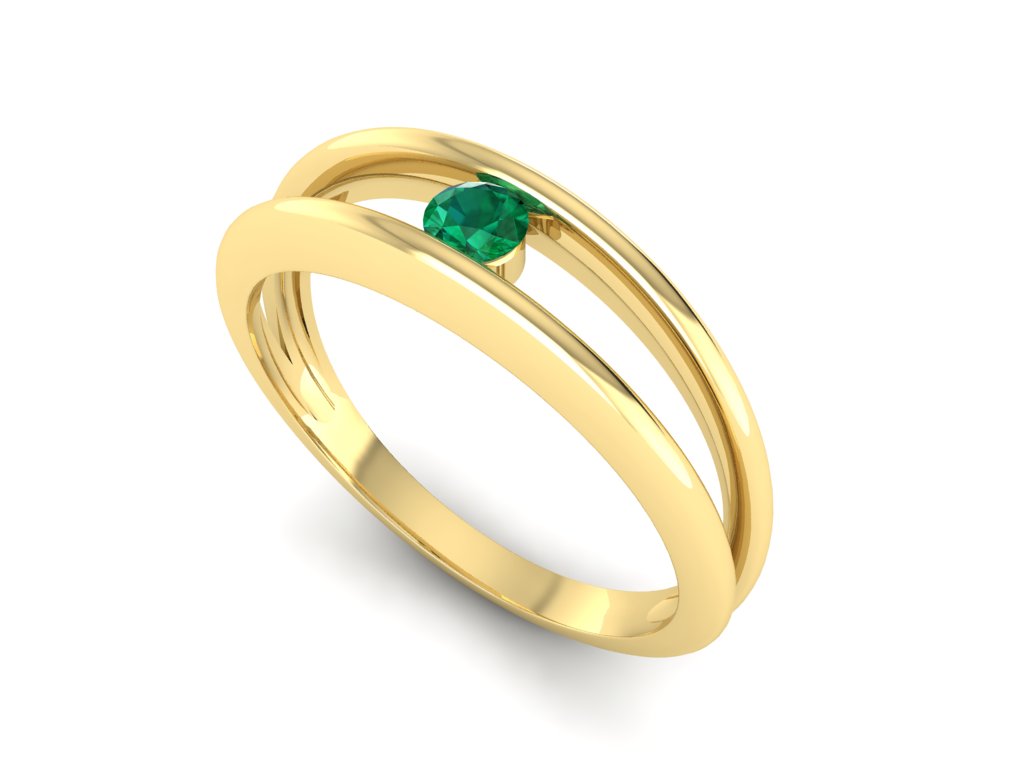
Today, the emerald is increasingly becoming the choice for those seeking not only aesthetics but also distinctiveness. Unlike the diamond, whose primary feature is light reflection and brilliance, the emerald is valued for its depth of color, natural character, and individuality. In recent years, there has been a growing trend in jewelry toward colored gemstones. This shift is driven not only by fashion but also by the desire to own a piece that feels personal and has a stronger visual identity.
According to Airidas Ulevičius, people today are increasingly looking not for a perfect stone, but for a real one—one with character, natural authenticity, and immediate recognizability.
Airidas notes that people often imagine a specific shade of emerald beforehand, but upon seeing several options in person, they realize their choice is guided not by theory but by visual experience. One key advantage of emerald color is that it remains visually strong even in smaller stones. As a result, even a subtle emerald accent can significantly transform the overall aesthetic of a piece.
According to Airidas, people intuitively gravitate toward livelier colors in warmer months, while still seeking subtlety. The emerald becomes an ideal choice here, offering a vibrant accent while maintaining elegance. For this reason, emerald jewelry often becomes a seasonal favorite in summer.
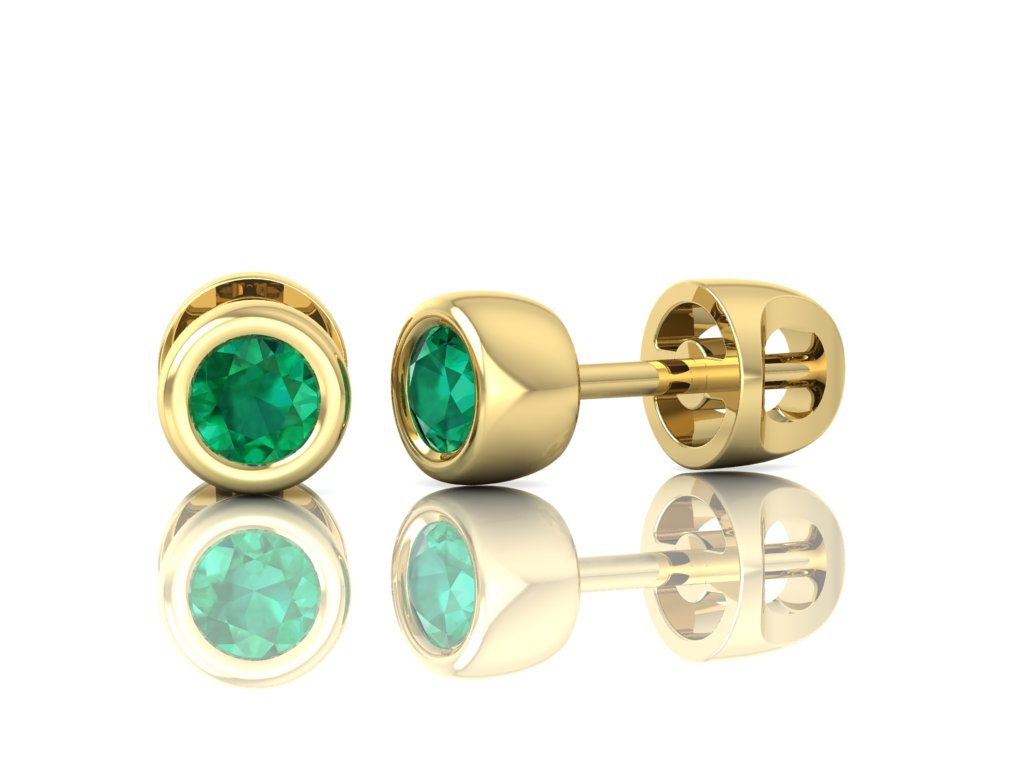
In jewelry, emerald plays a clearly defined visual role—it creates a color accent.
Airidas observes that those who choose emeralds are usually not looking for universal solutions, but for a stronger sense of individuality.
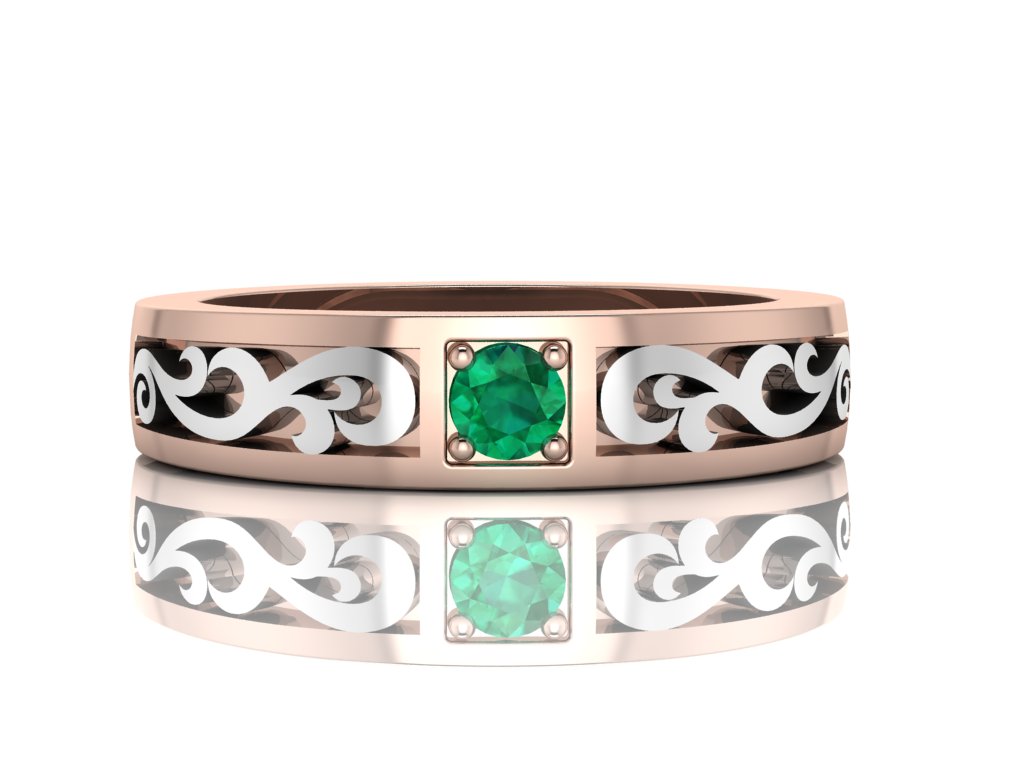
One of the most important aspects when choosing emerald jewelry is the metal.
According to Airidas, the same emerald can produce completely different results depending on the metal, making this decision just as important as the stone itself.
Emeralds are found in various parts of the world, but the most valued ones come from Colombia, Zambia, and Brazil. Colombian emeralds are known for their rich and pure green color, Zambian stones tend to be darker with bluish tones, while Brazilian emeralds are lighter and more delicate. A mined emerald is not ready for jewelry—it must be carefully cut and polished to preserve maximum color intensity. There is even a specific emerald cut—a rectangular shape with truncated corners—designed to protect the stone’s structure and enhance its color depth. Airidas emphasizes that working with emeralds requires exceptional precision, as their internal structure is more delicate than that of many other gemstones.
Emeralds in jewelry are becoming the choice for those who seek not only beauty but also a stronger sense of character. Their strength lies not in brilliance, but in color depth, natural authenticity, and the ability to appear unique in every piece. Color is what truly sets emeralds apart. It brings vitality, freshness, and natural distinction to jewelry. In summer, this effect becomes even more pronounced—the green tone intensifies in sunlight, complements warmer skin tones, and aligns perfectly with the season’s lighter aesthetic.
According to jeweler Airidas Ulevičius, when choosing an emerald, the key is not to look for perfection, but to understand which shade and shape naturally suit the individual. Only then does the stone appear organic and retain its value—both visually and emotionally.
Perhaps that is why emeralds are becoming an increasingly strong choice today—not because they are fashionable, but because they embody what people are seeking in jewelry: natural beauty, depth of color, and lasting uniqueness.